The Situation
An FDA labeling requirement for sugar ingredients hit PepsiCo's portfolio all at once, across all products. We didn't know when the FDA would start enforcing it in stores. We didn't know how consumers would respond. We didn't even know what our competitors would do. This would be for every brand in every market produced in the continental U.S and its territories. The entire relevant portfolio needed to come into compliance, on a regulator's timeline, not the company's own. When the “pirate team” of executives first met we didn't even know how many beverage products were included. (It was 1,400 different products and sizes.)
This isn't the kind of problem a growth strategy usually gets credit for solving. There's no campaign, no launch, no upside if it goes well, only downside if it goes badly. Get it wrong and the exposure is real: millions of dollars in waste, recalls, fines, shelf disruption, at a scale that makes any of that expensive fast.
An estimated $19M+ expense to the company would be needed to execute the roll out of new packaging across every brand, every bottle, every label in the Continental United States and all outlying U.S. territories that produce any PepsiCo beverage product.
The Stakes
A compliance initiative at this scale touches legal, regulatory, packaging, and brand teams simultaneously, all working against the same external deadline with none of them fully in control of it. Run it badly, and it becomes the kind of fire drill that eats months of leadership attention and still costs more than it should. Run it well, and it's proof an organization can execute complex, cross functional work under real constraint, not just talk about strategy in a conference room.

What I Did
Helped lead the compliance initiative across the full portfolio.
I owned the marketing effort to bring all 1,400 SKUs into FDA label compliance, coordinating the work required to hit the deadline without it turning into chaos. No product with old labels could be shipped after the FDA deadline.
Coordinated across every function the redesign touched.
Getting label compliance right at this scale meant aligning legal, regulatory, packaging, design, supply chain, sales, bottler and brand teams around one accountable process instead of 1,400 separate ones. We would become Subject Matter Experts at an entirely new process for the whole company.
We assembled a “Pirate Team” with one person from every group that touched the estimated 12 month process. We held ourselves accountable to absolute deadlines that we set.
A great deal of fear existed and no one wanted to join the cross functional team of executives for the financial bad news we'd have to share in every Stage Gate review. First we had to find every SKU and product produced from Guam to New York and figure out when their labels or designs were printed and how far in advance. We had to model all delivery and shelf sell through velocities to understand when and where the products would appear and estimate when they cleared shelf space. We had to know how much of the label packaging and process we had on hand in every point of manufacturing and distribution. We had to convince each of the brands, who refused to even meet with us at first, to start the lengthy redesign process and pay for it. Last but not least, we had to consider, test, and verify the anticipated consumer response and estimated negative impact on sales from sugar transparency.
Get the timing wrong on label print runs, can and bottle orders, or shelf sell through, and the cost was real. Product still carrying old labels past the FDA deadline couldn't ship. It had to be trashed, tens of millions of dollars of it, charged straight back to the brands' and bottlers' budgets. That's what made sequencing the actual job underneath this, not a detail inside it.
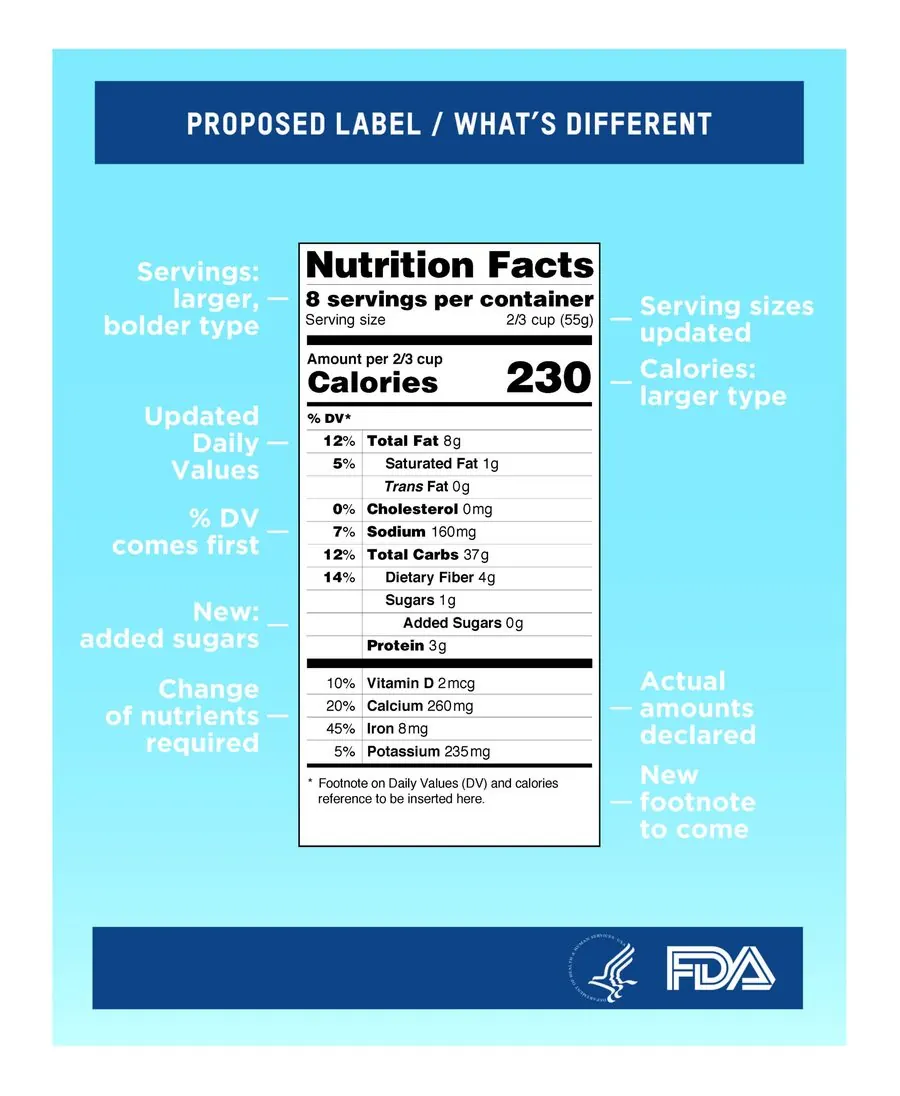
The rule traced back to the FDA's “Food Labeling: Revision of the Nutrition and Supplement Facts Labels,” finalized in May 2016, with a compliance deadline of January 1, 2020. It followed new scientific research on chronic disease, updated federal nutrition guidance, and years of public and institutional pressure, including the White House's “Let's Move” campaign, all pointing at the same gap: the label didn't match what people actually needed to know to eat well.
The Result
The initiative delivered $11 million in savings from the original $19M estimate, less than half of what it had been projected to cost. Every one of the 1,400 SKUs came into compliance and we slow rolled the distribution from small to largest revenue brands in order. Our consumer testing told us no one read the labels closely enough to be concerned. We met with our competitors and agreed to our own determined timelines.
Why It Matters
Growth leadership isn't only campaigns and channels. It's also the ability to run complicated, deadline bound, cross functional work without letting it become a fire drill, and to find savings inside a cost that was supposed to be fixed and unavoidable. That combination, strategic judgment and operational execution, is what a CEO or board is actually betting on when they bring someone into the room. Anyone can pitch a growth idea. Fewer people can be handed a regulatory mandate with a hard deadline and come out the other side under budget.
Under JDR Growth Advisory, that's the same discipline: find where the real savings are hiding, even inside a problem that looks like pure overhead, before assuming the cost is fixed.
Is this your problem? Start with a 30 minute call. If the fit is wrong, I'll tell you on the call.